Summary:
- Florida climate stresses paint with UV, humidity, salt air, and storms
- Best coating options: acrylic latex, elastomeric, urethane, mold-resistant paints
- Proper prep (washing, repairs, priming, sealing) drives durability
- Surface-specific guidance for stucco, block, wood, and siding
- Realistic repaint cycles, timelines, and pro vetting checklist
Exterior Painting in Tampa That Lasts: Protect Your Home from Heat, Humidity, and UV
Introduction:
Tampa’s climate is hard on exterior paint. High UV exposure fades color and breaks down resin. Humidity drives moisture into walls. Summer storms batter surfaces, and coastal salt air can corrode metals and speed up coating failure. Mold and mildew thrive when temperatures are warm and surfaces stay damp. A durable paint system is not just cosmetic; it is a protective layer for your building envelope.
Homeowners and property managers who compare options for a painting company tampa quickly learn how much local climate shapes the success of a project. Professionals familiar with Florida’s UV intensity, coastal airflow, and moisture cycles know which coatings bond well, which primers prevent blistering, and which application methods hold up through storm season. Their experience helps you avoid early failure and choose a finish built for long-term durability.
Working with an experienced local contractor like Purple Painting helps you select the right products and sequence for Florida conditions. The right prep, primers, and topcoats block water intrusion, resist UV degradation, and reduce mold and mildew growth—preserving your home or building, controlling maintenance costs, and keeping your exterior looking clean and professional longer.
House Painters Tampa
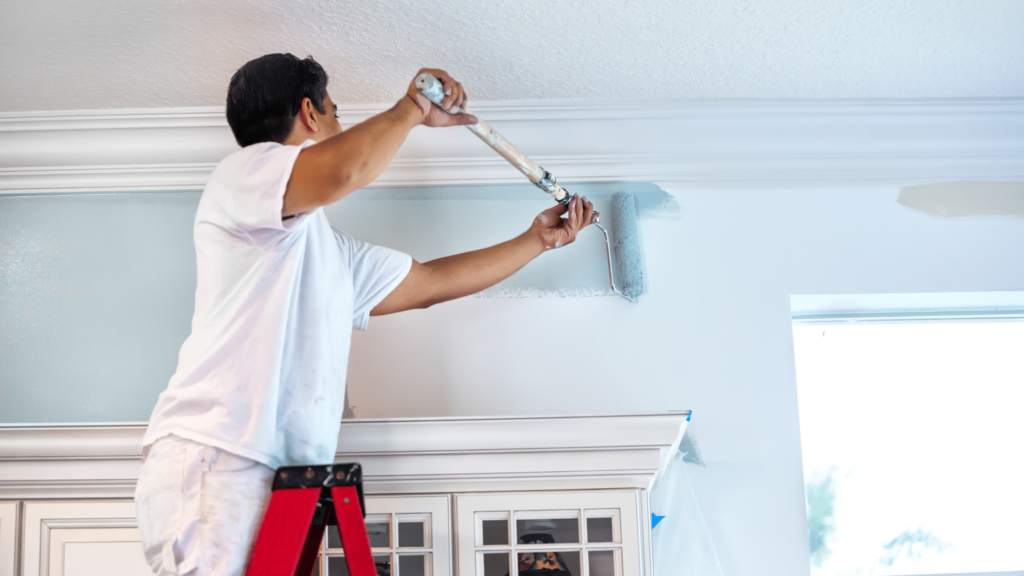
Choosing local expertise matters. When you compare house painters tampa, look for teams who understand how stucco alkalinity, coastal salt, and summer rain cycles affect coatings. Ask about moisture testing, pH checks on new stucco, and manufacturer-specified primers for your exact substrate. Crews that work in Tampa daily adapt schedules around humidity and afternoon storms, so your project cures correctly and lasts.
Florida Exterior Climate: What Your Paint Must Withstand
Key stressors and their impact
| Climate factor | Common Tampa reality | Main risk to paint | What mitigates it |
|---|---|---|---|
| UV exposure | High UV index most of the year | Color fade, resin chalking, brittleness | 100% acrylic resins, UV-stable pigments, lightfast colors |
| Humidity | Persistent moisture and dew | Blistering, adhesion loss, mildew growth | Moisture-tolerant primers, mold-resistant additives, correct cure windows |
| Storms/rain | Frequent summer downpours | Wash-off, surfactant leaching, water intrusion | Weather windows, fast-drying products, proper joint sealing |
| Salt air | Higher near bays/coastlines | Corrosion on metal, coating undercutting | Corrosion-inhibiting primers, regular rinsing, higher-build coatings |
| Thermal expansion | Hot days, warm nights | Cracking at joints, hairline stucco movement | Elastomeric or flexible topcoats, high-quality caulks |
What this means for your project
- Choose coatings that balance flexibility (to handle movement) and breathability (to let trapped moisture escape).
- Plan around dew points and afternoon storms to avoid moisture getting under fresh paint.
- Expect additional prep near coastal areas: deeper cleaning, rust treatment, and extra attention to fasteners and railings.
Why Exterior Painting Is a Building Envelope Upgrade, Not Just Color
Protection first
- Stops water intrusion: Proper sealing and coatings protect stucco, block, and wood from repeated wetting and drying cycles.
- Blocks UV damage: High-quality resins and pigments slow chalking and fading.
- Inhibits mold/mildew: Mildew-resistant paints and cleanable finishes keep surfaces sanitary longer.
Financial and practical benefits
- Resale value: A clean, well-maintained exterior signals care and reduces buyer concerns about hidden damage.
- Curb appeal: Fresh color and crisp trim elevate the property for guests, tenants, and customers.
- HOA compliance: Staying ahead of fading and chalking avoids violation letters and rushed repaints.
- Rental property realities: In high-turnover markets, durable coatings make quick cleanups possible and cut downtime between guests.
For a deeper dive into long-term savings and maintenance strategy, see 5 benefits of professional painting and maintenance for Tampa homes.
Paint and Coating Options for Florida Exteriors
Not all “exterior paint” performs the same in Tampa. Match the coating to your surface, exposure, and maintenance goals.
Side-by-side comparison
| Coating type | Best for | Strengths | Watch-outs | Typical service life (with maintenance) |
|---|---|---|---|---|
| 100% Acrylic Latex | Stucco, block, Hardie siding, most trim | Breathable, UV-resistant, easy to recoat | Less crack-bridging than elastomeric | 6–10 years (8–12 in ideal conditions) |
| Elastomeric Coating | Hairline-cracked stucco, parapet walls | Bridges small cracks, high build, sheds water | Must manage vapor drive; needs proper primer | 8–12 years (needs clean inspections) |
| Urethane (waterborne) | Doors, railings, high-wear trim, metals | Hard, durable, chemical-resistant | Prep-sensitive; not ideal for vapor-heavy walls | 7–10 years on trim/metal with prep |
| Mold-Resistant Acrylic | Shaded elevations, near landscaping or water | Mildewstat additives resist growth | Still requires clean, dry substrate | Similar to acrylic; cleaner longer |
Pros/cons summary
- Acrylic latex: Balanced performance; your default for most walls.
- Elastomeric: Great for crack control on stucco; ensure the wall can breathe and the primer is compatible.
- Urethane: Excellent on trim/metal where toughness matters; prep must be thorough.
- Mold-resistant formulas: Valuable on damp, shaded sides; still requires good maintenance and cleanliness.
Simple selection guide
| Situation | Recommended approach |
|---|---|
| Hairline stucco cracking | Prime + elastomeric topcoat, monitor joints |
| Near the coast with salt spray | Corrosion-inhibiting primer on metals + premium acrylic on walls |
| Shaded, plant-heavy side with mildew | Thorough wash + mold-resistant acrylic |
| High-traffic entry doors/railings | Degloss, sand, prime, and finish with urethane |
Tampa Surface Types and How to Coat Them
Stucco
- Concerns: Hairline cracks, alkalinity (especially on new stucco), and moisture vapor drive.
- Prep: pH testing for new stucco, repair cracks, seal parapets and window heads, and use a masonry primer.
- Coatings: Premium acrylic for breathability or elastomeric for crack-bridging; choose based on movement and moisture behavior.
Concrete Block (CMU)
- Concerns: Porosity and efflorescence (white salt deposits).
- Prep: Pressure wash, treat efflorescence, prime with block filler or masonry primer to even porosity.
- Coatings: 100% acrylic exterior paints perform best for breathability and UV stability.
Wood Fascia and Trim
- Concerns: Swelling, peeling, end-grain absorption, and sun exposure.
- Prep: Aggressive scraping and sanding, treat bare spots with bonding primer, caulk joints and end grain, ensure low moisture content.
- Coatings: Acrylic on broad trim, urethane enamel for doors and handrails; plan for more frequent maintenance than masonry.
Fiber-Cement and Other Siding
- Concerns: Joint movement and caulk failure at butt joints.
- Prep: Clean thoroughly, repair failing caulk, prime any factory finish breaks or bare areas.
- Coatings: Premium 100% acrylic, sheen selected for cleanability and glare control.
Prep Work: Why It’s 60–70% of the Job
Durability starts with surface prep. Skipping steps shortens the life of any premium paint.
Core prep sequence
- Washing: Low-pressure cleaning with appropriate cleaners to remove chalk, mildew, and salts. Rinse thoroughly and allow proper dry time.
- Scraping and sanding: Remove loose paint and feather edges so the new film lays flat.
- Patching and repairs: Fill cracks and voids; repair stucco and address failed sealants around windows and doors.
- Priming: Match primer to substrate—masonry, wood, metal, or stained areas—to promote adhesion and control porosity.
- Sealing and caulking: Use high-quality elastomeric sealants at joints, penetrations, and end grain.
- Masking and protection: Proper containment protects windows, landscaping, pavers, and vehicles; it also speeds clean application.
Humidity and timing
- Watch dew point and forecast: Avoid starting late days when the substrate will not dry before evening humidity rises.
- Moisture meters help: Professionals verify surfaces are dry enough to paint, especially wood and shaded stucco.
- Rain-readiness: Choose products with faster recoat and rain-resistance windows when storms are likely.
When comparing house painters tampa, ask how crews measure moisture and decide when to stop for the day. Curing time is as important as the paint itself.
Realistic Repainting Cycles and Project Timelines
How often to repaint
- Stucco field coats: 7–10 years with premium acrylic; 8–12 with elastomeric if cracks are managed and surfaces are kept clean.
- Trim and fascia: 4–7 years depending on exposure and product (urethane often lasts longer on doors/rails).
- Wood elements: 3–6 years; earlier if unsealed end grain or poor gutters expose them to water.
- Near beaches/bays: Subtract 1–2 years from the above due to salt and wind-driven rain.
- Rentals/short-term rentals: Plan more frequent cleaning and touch-ups to keep curb appeal consistent for guests.
Project timeline expectations
| Scope | Typical duration | Notes |
|---|---|---|
| Average single-family stucco home | 3–5 days | Includes wash, repairs, masking, 2 coats; weather may extend |
| Trim/fascia refresh only | 1–2 days | Depends on scraping and repair needs |
| Wood-intensive homes | 4–7 days | More prep and primer time |
| Commercial building (medium) | 1–3 weeks | Phased work to maintain operations and safety |
For maintenance planning and savings, review 5 benefits of professional painting and maintenance for Tampa homes.
Common DIY Issues in Florida’s Climate
- Poor prep: Skipping washing or sanding leaves contaminants that block adhesion.
- Wrong primer: Using a universal primer on high-alkaline stucco or rusty metal leads to early failure.
- Humidity reactivity: Painting too late in the day traps moisture, causing blistering and surfactant leaching.
- Short lifespan: Using budget paint on sunny elevations chalks quickly and fades within 1–2 years.
- Mold/mildew recurrence: Coating over mildew without proper cleaning allows regrowth under the paint film.
- Safety risks: Ladders, roof work, and lead-safe practices (on older homes) require training and proper gear.
If you are set on DIY, focus most of your time on cleaning, repairs, and correct primers. If you prefer a guaranteed result, compare proposals from experienced house painters tampa and weigh warranty terms and prep details.
Commercial and Multi-Unit Considerations
For offices, retail centers, HOAs, and hospitality properties, durable coatings are a maintenance plan, not a one-time project. Choose products that balance quick return-to-service with longevity. Use vapor-permeable systems on large masonry walls to avoid blistering. Where appearance is brand-critical—entries, signage, railings—upscale to urethane finishes for scuff resistance and cleanability.
- Phased scheduling keeps businesses open and tenants undisturbed.
- Safety and compliance matter: Traffic control, fall protection, and after-hours work reduce risk.
- Documentation: Expect detailed scopes, product data sheets, and warranty terms for facilities files.
What to Look For in a Professional Painter
Decision drivers
- Licensing and insurance: Validate workers’ comp and liability; it protects you and your property.
- Florida substrate expertise: Ask about stucco crack repair, block filler, and corrosion mitigation for coastal metals.
- Product knowledge: Your estimator should explain when to use acrylic, elastomeric, or urethane—and why.
- Prep capability: Look for detailed prep steps in the proposal, not vague “spot prime” notes.
- Moisture and pH testing: Especially on new stucco and shaded or wood areas.
- Warranties: Understand what’s covered—peeling, fading, mildew—and for how long.
- References and photos: Similar homes or buildings, especially with exposures like yours.
FAQ: Exterior Painting in Tampa
How often should a Tampa home be repainted?
Most stucco homes need repainting every 7–10 years with premium acrylic, sooner near the coast or on dark, sun-exposed colors. Trim and wood elements often need attention every 4–7 years.
What is the best paint for stucco in humid climates?
Premium 100% acrylic exterior paint is the most versatile and breathable. Use elastomeric when hairline cracks are widespread and vapor drive is managed with the right primer.
Is elastomeric paint good for rainstorms?
Yes, it sheds water well and bridges small cracks. It must be applied over compatible primer and dry substrates, with proper cure time before rain.
Should I pressure wash before painting?
Yes, but use controlled pressure and cleaning agents to remove chalk, mildew, and salts without damaging the surface. Rinse thoroughly and let surfaces dry fully.
How long does exterior paint last near the beach?
Plan on 1–2 years less than inland service life due to salt spray and wind-driven rain. Regular rinsing and corrosion-inhibiting primers help.
Why do wood surfaces peel more?
Wood absorbs and releases moisture, causing expansion and contraction that breaks brittle films. Proper sealing of end grain and flexible, well-adhered coatings extend life.
What’s the difference between urethane and acrylic paints?
Acrylics are breathable and UV-stable for walls. Urethanes are harder and more scuff-resistant for doors, rails, and trim but require meticulous prep.
Can paint really prevent mold in Florida?
Paint cannot prevent spores from landing, but mold-resistant formulas make surfaces less hospitable and easier to clean. Clean, dry surfaces are essential.
Simple Maintenance Plan After Painting
- Rinse annually: Hose off salt and dirt, especially near the coast.
- Trim vegetation: Keep plants off walls to reduce moisture and mildew.
- Inspect caulk lines each spring: Re-seal small gaps before rainy season.
- Spot touch-ups: Address dings on doors/rails quickly with matching finish.
| Task | Frequency | Purpose |
|---|---|---|
| Low-pressure rinse | 1–2x per year | Remove salt, mildew spores, dust |
| Caulk inspection | Annually | Prevent water intrusion at joints |
| Mildew treatment | As needed | Keep shaded areas clean and sanitary |
| Full repaint | 7–10 years stucco; 4–7 trim | Maintain envelope and appearance |
Color and Sheen Choices That Work in Tampa
- Lighter colors stay cooler and fade less under high UV; they also reduce thermal movement.
- Eggshell or satin on walls balances cleanability and glare; flat finishes hide imperfections but can soil faster.
- Darker accents look sharp on trim/doors but monitor for heat buildup and earlier fade.
When to Schedule Painting
- Plan ahead of hurricane season: Complete major exterior work before peak storms.
- Book shoulder seasons: Spring and late fall can offer steadier weather windows.
- Rental properties: Align with vacancy periods to minimize disruption.
With the right plan and a qualified crew of house painters tampa, you can protect your property and keep it looking top-tier through Florida’s toughest months.
Conclusion:
Florida’s heat, UV, humidity, and salt air demand more than a standard paint job. The right coatings, applied over thorough prep and timed for proper curing, preserve your building envelope, control maintenance costs, and keep curb appeal strong. Whether you manage a single-family home, a rental, or a commercial property, a disciplined exterior painting approach is one of the most effective upgrades you can make for durability and value. If you’re ready to plan a project that lasts, schedule a consultation with Purple Painting and get a clear, written scope aligned to Tampa’s climate.