
Summary
- Real-world cost ranges for Tampa interiors and exteriors, including prep
- How Florida UV, humidity, and storms impact paint life and budgets
- Price drivers: square footage, access, coatings, and labor
- Comparisons: standard latex vs. elastomeric and specialty coatings
- Red flags in low quotes and how to avoid surprise costs
Tampa Painting Costs Explained: Professional Local Pricing for Interiors and Exteriors
Introduction
Home maintenance in Florida is not optional. Between UV exposure, high humidity, salt air near the coast, and storm cycles, paint breaks down faster in Tampa than in many other regions. A good paint job is not just cosmetic—it protects stucco, siding, and wood from water intrusion, mold, and UV damage. In this guide, you’ll see clear, realistic pricing for rooms, interiors, and exteriors in the Tampa area, and how to budget for durable results. If you’re comparing bids or planning a project, understanding what drives price helps you avoid shortcuts that cost more later. For dependable local service and transparent estimates, Purple Painting is a trusted resource.
When you compare options for a painting company tampa, it becomes clear that experience with Florida’s climate directly affects long-term results. Local professionals understand how to choose coatings that resist UV breakdown, how to prep stucco and siding for humid conditions, and how to schedule work around daily storm patterns. Their expertise helps you invest in a finish that lasts, not one that needs rework after a single season.
Florida Climate and the Painting Lifecycle
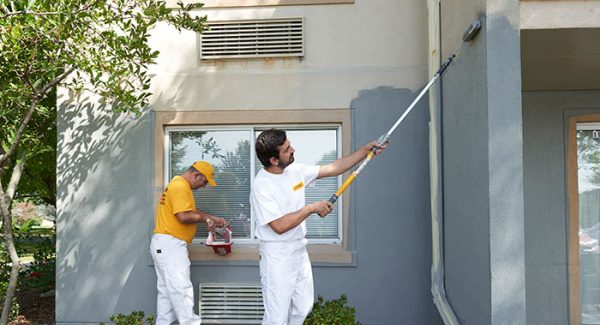
Florida’s climate accelerates paint wear. Here’s how that affects your maintenance timeline and budget:
- UV exposure: High UV breaks down resins, fades color, and causes chalking. South- and west-facing walls degrade first.
- Humidity and rain: Persistent moisture drives mildew and can lift poorly bonded coatings. Dry time and cure schedules must be planned around weather.
- Salt air: In coastal zones, salts attract moisture and speed corrosion of metal elements and chalking of paint films.
- Storm cycles: Wind-driven rain, debris, and thermal cycling stress coatings and open cracks.
Typical repaint and maintenance timelines in Tampa:
- Standard exterior acrylic latex: 5–7 years on stucco/siding with proper prep
- Premium exterior acrylic or urethane-modified acrylic: 7–10 years
- Elastomeric on stucco: 8–12 years (with correct film build and crack repair)
- Interior walls: 5–8 years depending on traffic, sheen, and cleaning
Regular washing, caulking, and touch-ups can extend these ranges. See the 5 benefits of professional painting and maintenance for Tampa homes for more details on longevity and upkeep.
Interior Painting Costs in Tampa: Rooms and Whole-Home
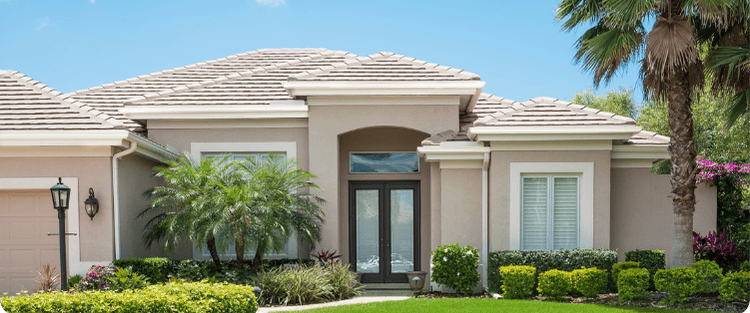
Interior pricing reflects square footage, wall height, condition, paint quality, and whether ceilings/trim are included. The ranges below assume standard 8–9 ft ceilings, moderate prep, and mid- to premium-grade paint.
Typical Room Pricing (Walls Only)
| Room Type | Typical Size | Walls Only (2 coats) | With Ceiling | With Trim/Baseboards |
|---|---|---|---|---|
| Small Bedroom | 10×10–10×12 | $300–$600 | + $100–$200 | + $120–$250 |
| Standard Bedroom | 11×13–12×14 | $400–$750 | + $120–$250 | + $150–$300 |
| Primary Bedroom | 12×16–14×18 | $550–$1,000 | + $180–$350 | + $200–$400 |
| Living Room/Family Room | 200–350 sq ft | $600–$1,400 | + $150–$350 | + $180–$400 |
| Bathroom (half/full) | Small to medium | $200–$500 | + $60–$150 | + $80–$180 |
| Kitchen (walls) | Medium | $400–$900 | + $120–$250 | + $150–$350 (casings/base) |
Ceilings: Popcorn removal, stains, or high areas add cost. Smooth ceilings typically run $1.00–$2.00 per sq ft. Stain-block priming is extra.
Trim/Baseboards: $1.00–$2.50 per linear foot depending on detail, condition, and enamel quality.
Whole-Home Interior (Walls, Typical Prep)
| Home Size (approx.) | Walls Only (2 coats) | Walls + Ceilings + Trim |
|---|---|---|
| 900–1,200 sq ft | $2,000–$3,600 | $3,500–$6,000+ |
| 1,300–1,800 sq ft | $2,600–$4,800 | $4,200–$7,800+ |
| 1,900–2,400 sq ft | $3,200–$6,200 | $5,200–$9,800+ |
Interior Cost Drivers
- Condition: Repairs, patching, and stain-blocking add time and materials.
- Height: Stairwells, vaulted spaces, and two-story foyers require ladders/planks and more labor.
- Color changes: Dark-to-light or bright colors may need extra coats.
- Finish level: Premium, scrub-resistant finishes cost more but cut future maintenance.
Exterior Painting Costs in Tampa
Exterior pricing varies by height, substrate (stucco, block, wood, fiber cement), detail, access, and coating selection. Washing, repairs, caulking, priming, and masking are significant parts of the job.
Typical Exterior Price Ranges (Includes Standard Prep)
| Home Type | Scope | Price Range |
|---|---|---|
| 1-story stucco (1,200–1,800 sq ft living) | Wash, mask, patch minor cracks, 2 coats acrylic | $2,800–$5,500 |
| 2-story stucco (1,900–2,600 sq ft living) | Wash, mask, crack repairs, ladders/planks, 2 coats | $4,200–$8,500 |
| Wood/fiber cement siding (1–2 story) | Wash, scrape/prime bare wood, caulk joints, 2 coats | $3,500–$9,500 |
| Elastomeric upgrade (stucco) | Build mil thickness, elastomeric topcoat | +20%–40% over acrylic |
Working with experienced residential exterior painters in Tampa helps ensure the right coating and film build for our climate and substrate.
What’s Typically Included
- Pressure washing and cleaning
- Masking windows, roofs, and hardscapes
- Stucco crack repair and patching (minor/moderate)
- Spot priming bare areas, full priming where needed
- Two finish coats to achieve manufacturer film build
Potential Add-Ons
- Severe stucco failure or wood rot replacement
- Structural repairs and carpentry
- High-access work (very steep roofs, complex elevations)
- Color design services beyond standard swatches
Common Prep Costs and Why Prep Is Not Optional
Prep determines how long your paint lasts. Skipping prep is the fastest way to early failure and higher total cost of ownership.
| Prep Task | Typical Pricing (Tampa) | What It Solves |
|---|---|---|
| Pressure washing | $0.15–$0.30 per sq ft of wall area | Removes chalk, dirt, mildew for proper adhesion |
| Stucco crack patch | $2–$6 per sq ft of patch area | Seals hairline to moderate cracks; limits water intrusion |
| Wood scrape/prime | $1.00–$3.00 per linear foot | Stabilizes peeling edges; prevents peeling under new coats |
| Caulking joints | $0.50–$1.50 per linear foot | Stops water entry and air leaks; cleaner lines |
| Stain-block primer | $0.25–$0.75 per sq ft | Blocks tannin, nicotine, water stains |
Reputable contractors spell out prep steps in writing so you know what is included and what happens if hidden conditions appear.
How Square Footage Influences Price
Square footage is a starting point, but it’s not the whole story. Complexity, condition, and access shift costs up or down.
Exterior Examples (Stucco, Typical Detail)
- 1,200–1,500 sq ft living (single-story): $2,800–$4,400
- 1,600–1,900 sq ft living (single-story): $3,400–$5,200
- 2,000–2,400 sq ft living (two-story): $4,200–$7,000
- 2,500–3,000 sq ft living (two-story+): $5,500–$9,000+
Interior Examples (Walls Only, Mid-Grade Paint)
- 900–1,200 sq ft: $2,000–$3,600
- 1,300–1,800 sq ft: $2,600–$4,800
- 1,900–2,400 sq ft: $3,200–$6,200
Expect quotes to vary based on repairs, height, coating type, number of colors, and whether ceilings and trim are included.
Room Shape and Accessibility Cost Drivers
Same square footage, different effort:
- Vaulted or tray ceilings: More ladder work and cutting-in. Add 10%–25% to that room.
- Two-story stairwells and foyers: Setup with planks and specialty ladders adds time.
- Cabinetry and built-ins: Masking and fine-cutting increase labor.
- Occupied homes: Furniture protection and daily cleanup add time versus vacant properties.
Coating Selection: Cost vs. Durability
Better coatings cost more up front but reduce repaint frequency and maintenance. Choose based on substrate, exposure, and budget.
| Coating Type | Best Use | Pros | Considerations |
|---|---|---|---|
| Standard exterior acrylic latex | General exterior walls, soffits | Affordable; good color retention in mid-grades | 5–7 year cycle in Florida sun; not crack-bridging |
| Premium acrylic or urethane-modified | High UV areas, trim/doors | Improved adhesion, hardness, and washability | Costs 15%–35% more; careful prep needed |
| Elastomeric coating | Stucco with hairline cracking | Bridges small cracks; higher film build; water resistance | +20%–40% cost; not for wood; proper primer and dry times required |
| Mildew-resistant interior finishes | Baths, kitchens, laundry | Resists mildew and frequent cleaning | Higher material cost vs. flat wall paint |
On stucco, elastomeric is often worth it long-term. On wood or fiber cement, high-quality acrylic or urethane-modified coatings typically perform better than elastomerics.
Labor and Crew Cost Realities in Tampa
Labor is the largest part of a professional estimate. Local, fair wages attract trained painters who prep correctly and follow weather windows.
- Typical hourly: Skilled painter $22–$35/hr; crew lead $28–$40/hr; helper $16–$22/hr.
- Daily crew cost (2–3 painters): Roughly $900–$1,600 including payroll taxes and overhead.
- Insurance and licensing: Adds cost but protects you. Avoid uninsured bids.
- Scheduling around weather: Smart timing prevents washouts, blisters, and failure. That planning is part of professional labor.
Annual Maintenance vs. Full Repaint
Small maintenance prevents big repairs.
- Annual or biannual wash: $200–$500 for typical single-story keeps mildew and chalk down.
- Exterior touch-ups and recaulk: $250–$900, extends life 1–3+ years.
- Full exterior repaint: $2,800–$9,000+ depending on size and height.
Routine care can delay a full repaint by years and protect stucco from moisture intrusion. Learn more about the benefits of professional painting and maintenance for Tampa homes to plan your upkeep cycle.
Apartment, Condo, and Rental Unit Pricing Practices
Turnover painting is about speed, consistency, and durable finishes.
- Same-color repaints (walls only): 600–900 sq ft unit: $700–$1,300; 1,000–1,200 sq ft: $1,000–$1,800.
- Walls + ceilings + trim: Add $500–$1,200+ depending on detail and enamel.
- Scuffs and patches: Minor repairs often included; larger patches or smoke damage are extras.
- Owner strategy: Use one neutral color with eggshell or low-sheen scrubbable paint; label touch-up paint and keep a small inventory.
For multi-unit buildings, ask about volume pricing and standard scopes that reduce change orders.
Red Flags in Lowball Painting Quotes
- No written prep scope: If washing, patching, and priming are not listed, they may not happen.
- One-coat promises over unknown paint: Often leads to flashing and early failure, especially under Florida sun.
- No insurance: You take on liability.
- Brand-less or contractor-grade-only materials: Can chalk or fade quickly; verify product lines.
- Vague warranty: A 5-year warranty with exclusions for everything is not protection.
When you compare, confirm film build (mils), number of coats, product lines, and all prep steps. Working with reputable residential exterior painters in Tampa reduces risk and long-term cost.
Professional Painting Value in Resale and Appraisal
- Curb appeal: Clean, even color and sharp lines create a strong first impression.
- Condition rating: Appraisers and inspectors note paint condition and visible damage, which can affect value and speed of sale.
- Buyer expectations: Move-in-ready finishes help homes show better and sell faster.
Step-by-Step: What a Professional Quote Should Include
- Walkthrough and measurement: Verify square footage, wall height, and access.
- Condition assessment: Identify repairs, chalking, cracks, stains, peeling.
- Written prep scope: Washing, scraping, patching, caulking, priming.
- Coating plan: Product lines, number of coats, expected film build.
- Colors and areas: List each surface and color count.
- Schedule and weather plan: Start/finish windows and rain contingency.
- Warranty and exclusions: Clear terms, materials and labor coverage.
- Price breakdown: Labor, materials, and line items for add-ons.
Residential Exterior Painters in Tampa
Choosing local experts matters. Tampa-area homes face intense UV, humidity, and storm exposure. Experienced crews know when to schedule around dew points, how to handle chalking stucco, and when elastomeric is the right call. If you’re evaluating bids, ask each contractor to specify prep, primers, topcoats, and total film build in writing. You can also compare against bids from established residential exterior painters in Tampa to make sure you’re looking at an apples-to-apples scope.
Three quick tips when hiring residential exterior painters in Tampa:
- Request product sheets for primers and finish coats.
- Confirm insurance certificates and license info.
- Ask for recent local addresses you can drive by.
FAQs
How much does it cost to paint a 1-story home in Tampa?
Most single-story stucco homes (1,200–1,800 sq ft living) run $2,800–$5,500 with washing, basic stucco crack repair, and two coats of quality acrylic.
Do painters charge by square foot or per room?
Both. Interiors are often quoted per room with adjustments for height and condition. Exteriors are estimated by wall area, access, and prep, then converted to a fixed price.
What prep is usually not included in low-cost quotes?
Thorough washing, priming bare areas, real crack repair, and proper masking. These shortcuts lead to early peeling and visible defects.
Why do exterior paints fail early in humid Florida?
Moisture, UV, and salt air degrade binders. If surfaces aren’t cleaned, dried, and primed properly—or if paint is applied in the wrong weather window—failure accelerates.
How can I reduce my total painting cost without cutting quality?
Keep colors consistent, handle minor drywall fixes ahead of time, schedule during optimal weather, and choose scrubbable finishes that reduce future repaints.
Does it cost more to paint stucco than siding?
Often similar for standard acrylic jobs. Stucco with cracks may require elastomeric or extensive patching, which raises cost. Wood siding can require more scraping/priming.
Why are elastomeric coatings more expensive?
They require more material for proper film build and longer cure windows. They also deliver longer lifecycles on stucco by bridging hairline cracks.
What’s the difference between wall paint and ceiling paint?
Ceiling paint is typically flatter to hide defects and reduce glare; wall paints are formulated for washability and scuff resistance.
Conclusion
Accurate painting pricing in Tampa depends on climate-aware prep, the right coatings, and trained crews who plan around weather. Clear scopes prevent overruns and help you compare bids fairly. Local expertise protects your home and keeps total ownership costs down. For transparent, professional estimates and Florida-ready finishes, consider Purple Painting.